
Image Constellations
Exploring resonance in your writing

‘Every image embodies a way of seeing.’
- John Berger
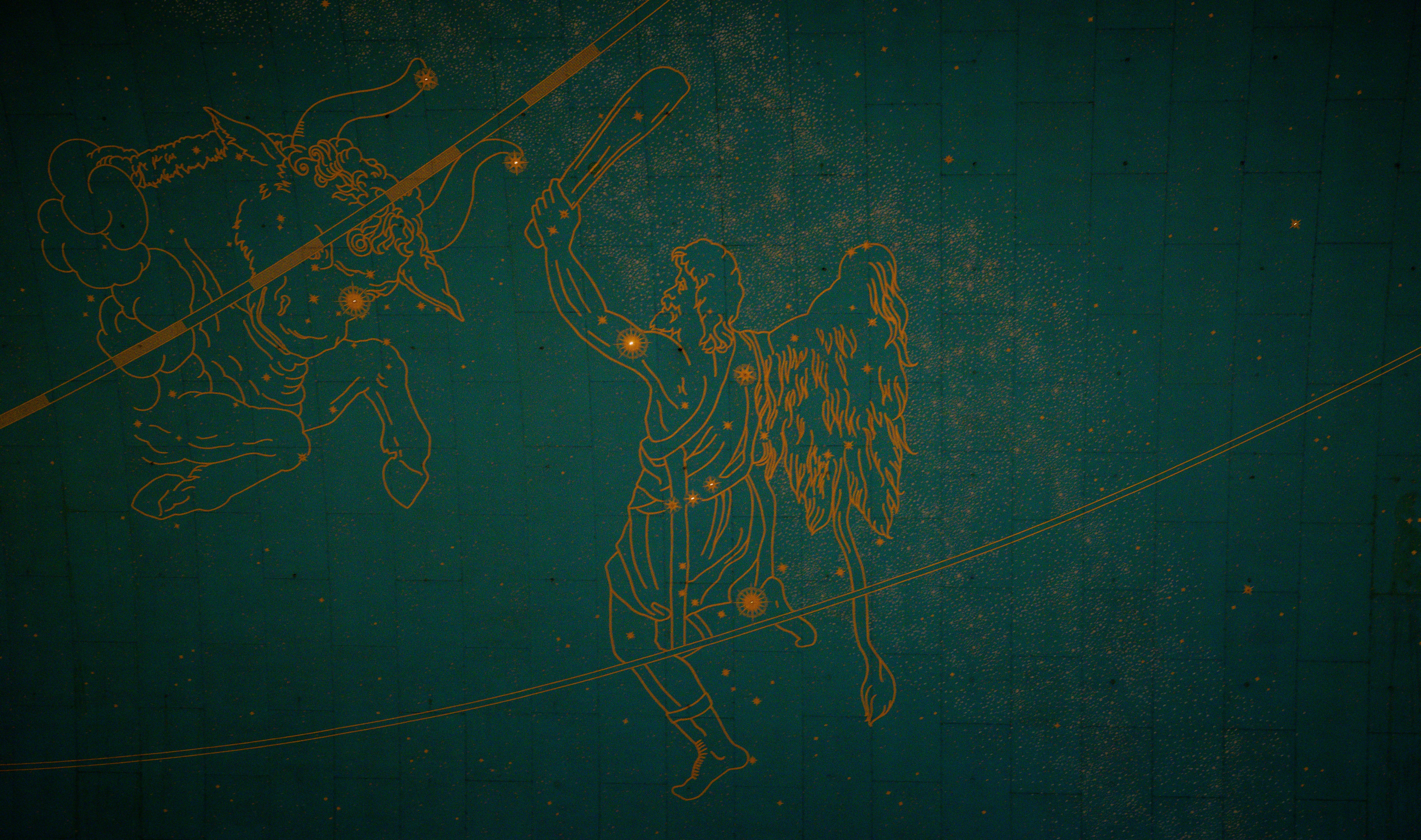
Last week in my life writing mentoring group, we looked at the role of image and motif in shaping a project.
For life writers, sometimes, the idea of focusing on the sensory image can seem strange or counterintuitive. There are various reasons for this. Life writers tend to feel bound to tell the truth as far as possible, but the kind of precise, sensory detail that can bring their story to life for the reader will necessarily involve the imagination. Often, too, I find that life writers are most concerned, at least consciously, with communicating deeply held ideas and beliefs, and with crafting a narrative. It can feel desperately important that what they have to tell us—their testimony—is not muddied or lost.
Imagery works in a different way: we experience on a sensory level before we fully understand the information. A recurring image (or object, action or phrase) in a writing project can become a motif that reveals and reinforces deeper meanings and broader themes, creating emotional resonance across the work as a whole. A focus on imagery can also open up a more exploratory way of working, helping us to see what the work itself is aiming for, what we might have omitted or failed to see.
In Maggie Nelson’s The Argonauts, for example, the image of breastfeeding recurs across the work as part of its exploration of maternal identity, the erotic, and queer motherhood.
In our group mentoring session last week I asked the writers to begin by writing a list of images that recur across their projects. After discussing a passage from The Argonauts, they made their own image constellations. This is something you might like to try too, whether you’re a life writer or not.
Image Constellation Activity (5 minutes)
Choose and write down a key image that repeats across your project (or in your work more broadly).
Now write down the associations this image has for you: memories, objects, actions, places, other words/images. You can shape this as a mind-map or as a list. Work quickly.
Have a look at your constellation. Does anything surprise you? What does this image know, or carry, that your work doesn’t?
I tried out this exercise myself with an image that I’ve returned to, and failed to do justice to, across multiple poems. My grandfather, when suffering from a bout of manic depression (what we would now call bipolar disorder), would, according to my mum, run out of the house and take his clothes off one by one, leaving them on the floor where his family, in hot pursuit, would retrieve them and then do their best to persuade him back home. I find this image of the escaping man striking on many levels, but the constellation activity threw up a raft of associations I hadn’t quite thought of—related to shame, exposure, convention, freedom… It reminded me that an image can carry more knowledge than we realise. Sometimes, paying attention to what returns or repeats can help us locate the emotional crux of a piece more clearly. I hope you find the exercise useful, too.
Paying attention to recurring images can help us discover what a piece of writing already knows before we’ve consciously articulated it. This is one of the reasons why I love working with writers over time: patterns emerge, hidden connections become visible, and projects begin to reveal their deeper concerns.
With this in mind, I wanted to share a couple of opportunities for working together this summer.
Summer Mentoring and Editing
I have a small number of mentoring and manuscript feedback spaces available over the summer for poets, life writers and hybrid/nonfiction writers.
If you’re shaping a new project, finding your way through a draft, or looking for detailed editorial feedback, I’d love to hear from you.
You can find out more about mentoring, manuscript feedback and working with me on my website: https://katepotts.net/.
Poetical Workshop: July
In July, our online poetry community will be focusing on the aubade, with a guest resource and recording from Hannah Lowe.
The aubade is a form concerned with dawn, waking, departure and transition, and I’m excited to explore it with our members. As always, you’ll receive prompts, resources and a welcoming space to share work and conversation throughout the month.
Whether you're writing regularly or looking for a way back into your practice, you'll be very welcome.
If you’d like to join us for July, you can find all of the details here: https://katepotts.net/poetical-workshop